Packing Services Auckland
Summer and early autumn bring concentrated moving periods when rental settlements, school term starts, and university semester beginnings overlap. We pack Auckland homes during these tight windows when families need everything wrapped, boxed, and ready before moving day arrives.
Get A Moving QuoteOr call: 0800 432 796Packing Services Auckland
What We Packcovers every room from kitchen to garage. We bring boxes, bubble wrap, packing paper, and tape. Bedrooms, living areas, bathrooms, and storage spaces all receive the same approach to protection and organisation. This suits people who need everything handled because work, family schedules, or moving timelines don’t allow DIY packing.
focuses on rooms or item types you choose. Common requests include kitchens (glassware, dishes, appliances), fragile items throughout the house (ornaments, artwork, electronics), or storage areas where items have accumulated. You handle straightforward packing like clothing and bedding while we manage what requires protection expertise.
protects breakables wherever they’re located. We wrap and box china, artwork, mirrors, glass tables, screens, monitors, and decorative pieces. This works for people comfortable packing general items but wanting specialists handling valuable or sentimental pieces.
Materials are estimated and included in your packing quote. We bring boxes, bubble wrap, packing paper, and tape based on the assessment.
You can also order supplies for DIY packing through our partner the Box Shop. Materials get delivered to your door before you start packing yourself.
We can’t pack hazardous materials (paint, aerosols, gas bottles, chemicals), perishable food, or items requiring special permits. Personal valuables like jewellery, important documents, cash, and medications travel better with you directly. Plants and living items need separate arrangements. If you’re unsure about specific items, ask during the assessment.
Our Packing Process
We visit your property to see what needs packing. The assessment determines team size, materials required, and estimated time. You receive a quote before we start.
Our team arrives with materials: boxes in various sizes, bubble wrap, packing paper, and markers. We confirm the plan with you, note any changes, and assign rooms systematically.
We work through properties methodically. Kitchens typically go first because they take longest with glassware wrapping requirements. Items receive appropriate protection: paper prevents scratches, bubble wrap provides impact absorption for fragile items. Boxes are filled to safe lifting weight.
Every box gets labelled on multiple sides showing destination room and contents. Boxes with fragile items receive clear marking plus orientation arrows.
Before sealing boxes, team members verify weight distribution, cushioning, and labelling clarity. Sealed boxes stack in designated areas grouped by room for truck loading.
Our packing integrates with moving services when needed. The same teams who pack can load and transport, which maintains continuity for fragile item handling.
Timing Pressures
When Families Pack
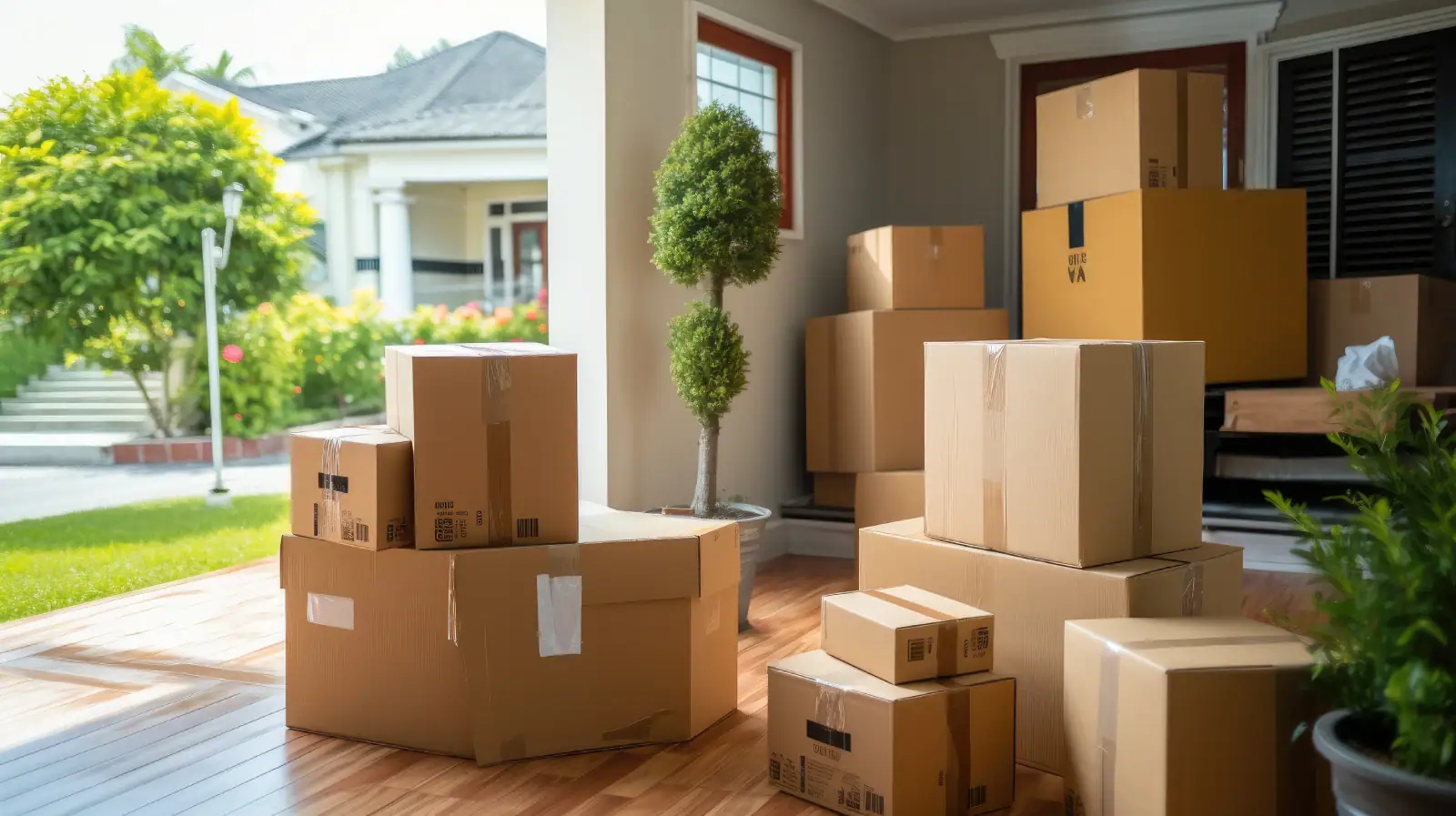
School terms starting late January through early February create concentrated packing periods for families with children. University semesters beginning in early March drive student flat packing through late February. Rental settlements often align with these periods.
Landlord-initiated tenancy endings create fixed deadlines. Once families secure new rentals, the gap between approval and settlement determines available packing time based on property availability and landlord flexibility.
Summer months bring Auckland’s driest weather conditions, which matters for outdoor furniture and box transfer between house and truck. Families coordinate packing around school holidays, fitting it between summer activities before routines restart.
The volume of items requiring attention, school uniforms, sports equipment, toys, kitchen gear, often exceeds initial estimates, especially when rental settlements align with school terms or university semesters.
Protection Methods
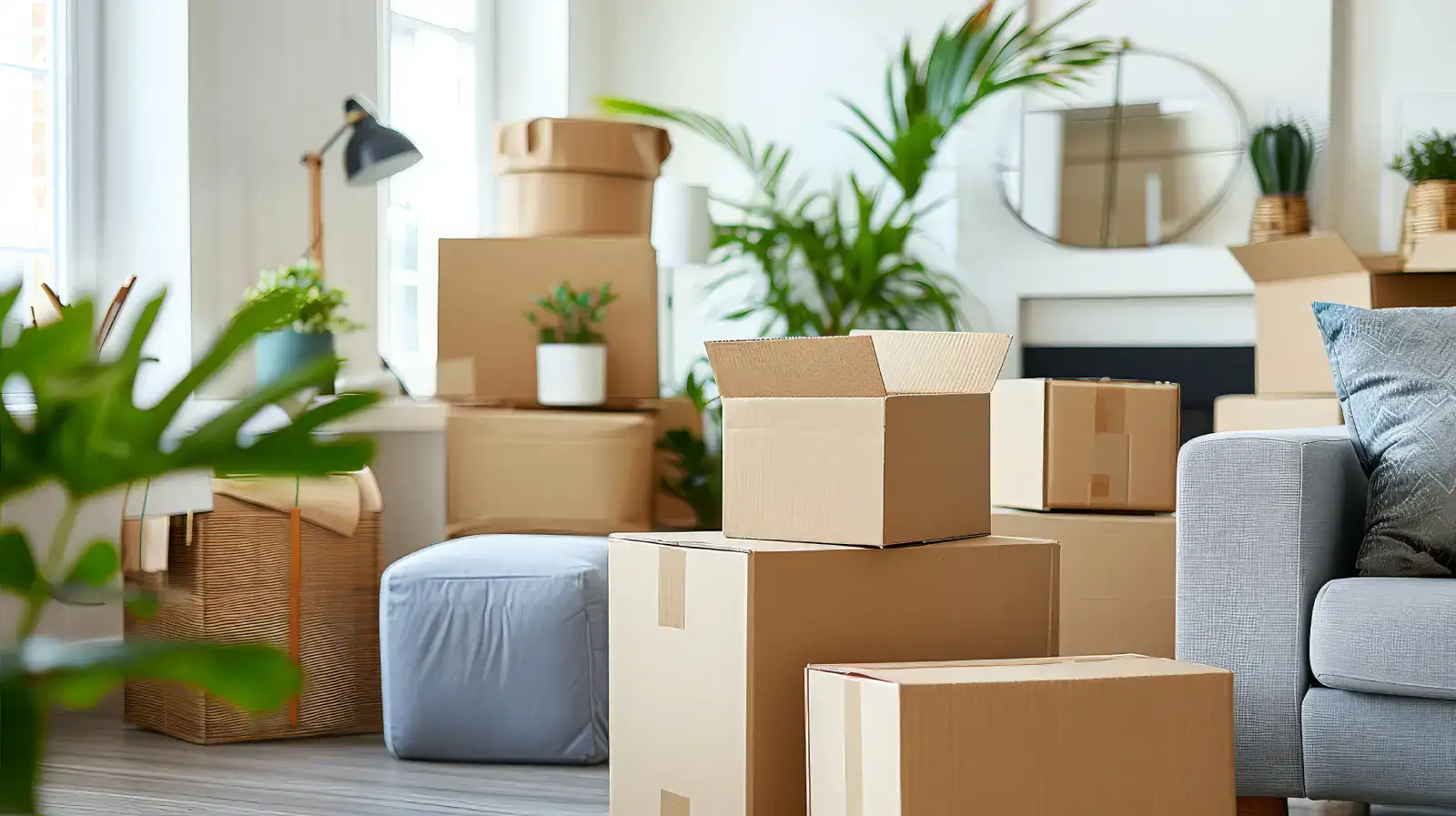
Kitchens take longest because of glassware wrapping requirements. We wrap items individually – wine glasses receive paper inside for support, then diagonal wrapping with corners tucked. Plates stack with paper between each, creating bundles that box on edges.
Mugs need paper around handles, then careful nesting with cushioning. Small appliances get cords secured, moving parts cushioned, and boxes labelled by weight.
Pots and pans stack with paper between to prevent scratches. Lids wrap separately. Crystal or fine china receives bubble wrap over paper, with extra cushioning and clear fragile labelling.
Every box gets paper crumpled into gaps so contents can’t shift. Pantry items in jars or tins go into smaller boxes. Heavier items never fill large boxes because lifting must stay manageable.
Time Requirements
Room-by-Room
Bedrooms need proper time, longer when children’s rooms contain toys with small parts requiring individual bagging. Clothes can go in wardrobe boxes on hangers, staying wrinkle-free. Light drawer contents sometimes stay packed; heavy items come out first.
Book shelves need packing by size to prevent box collapse. Heavier books go in smaller boxes, paperbacks in larger ones. Lamps need bubble wrap around bases, shades packed separately, cords taped.
Living areas vary by contents and breakables. Ornaments need bubble wrap, photo frames require corner protection, cushions fill gaps in boxes with harder items. Screens demand custom wrapping with clear fragile labels on multiple sides.
Each room creates its own packing requirements based on what’s stored and how items need protection.

How We Wrap Items
Fragile items need paper first, then bubble wrap for items that could break. Plates get paper between each, glasses receive paper inside and bubble wrap outside, ornaments go into boxes with crumpled paper filling gaps.
Boxes come in different sizes for weight distribution. Heavier items go in smaller boxes, keeping weight manageable. Lighter items fill larger boxes without exceeding safe handling weight. Dish packs with reinforced construction provide extra protection for glassware and china.
Box labels show room and contents on multiple sides. Fragile items get clear marking plus orientation arrows so movers know which way stays up during loading.
The labelling determines how boxes get handled, stacked, and positioned at your new place.
Time Reality
Packing takes longer than most people expect. Wrapping each item properly, managing materials, organising boxes, and maintaining labelling systems adds hours to what seems like straightforward work.
Kitchens require significant time wrapping glassware, cushioning dishes, boxing appliances, and protecting fragile items. Bedrooms vary by wardrobe size and shelf contents. Living areas depend on electronics, ornaments, and accumulated belongings. Storage areas take longer based on what’s there.
Seasonal timing creates additional pressure. When rental settlements align with school terms or university semesters, families pack while managing other commitments.
We work through properties systematically using consistent methods. The approach maintains protection standards while managing time efficiently across different Auckland property types.


See Us In Action
Watch our furniture removals auckland team and hear from satisfied customers
videos

Make Your Next Move Easy
Give us a call or fill in the quote form below.
